


Hey there! As a supplier of Checked Conductive Cloth, I often get asked if this nifty material can be used in wearable electronics. Well, let's dive right into it and explore the possibilities.
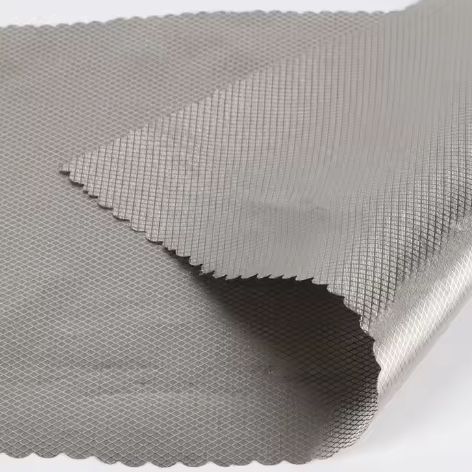
First off, what exactly is checked conductive cloth? It's a type of fabric that combines the flexibility and comfort of regular cloth with the electrical conductivity of conductive materials. The "checked" pattern refers to its distinctive grid - like appearance, which not only looks cool but also has some practical applications.
One of the main reasons why checked conductive cloth could be a great fit for wearable electronics is its flexibility. Unlike rigid circuit boards, cloth can bend, stretch, and conform to the shape of the human body. This is crucial for wearable devices, as they need to be comfortable to wear for extended periods. Whether it's a smartwatch band, a fitness tracker integrated into clothing, or even a medical monitoring device, the ability of the conductive cloth to move with the wearer is a huge advantage.
Another key benefit is its breathability. Regular fabrics are known for allowing air to pass through, which helps keep the skin dry and comfortable. When it comes to wearable electronics, this is especially important. If a device is in direct contact with the skin for a long time, a non - breathable material can cause sweating, irritation, and even skin infections. Checked conductive cloth retains the breathability of regular cloth, making it a more user - friendly option.
Now, let's talk about conductivity. The conductive properties of this cloth are what make it useful in electronics. It can conduct electricity, which means it can be used to create circuits, transmit signals, and power small devices. For example, in a smart garment, the checked conductive cloth could be used to connect sensors that measure heart rate, body temperature, or movement to a central processing unit. This allows for seamless data collection and transmission without the need for bulky wires.
In addition to its use in sensors, checked conductive cloth can also be used in heating elements for wearable devices. Imagine a heated jacket that uses the conductive cloth to generate warmth. The cloth can be integrated into the fabric of the jacket, providing a more evenly distributed heat source compared to traditional heating elements.
But like any material, checked conductive cloth also has its limitations. One of the main challenges is durability. Wearable devices are often subjected to a lot of wear and tear, including washing, stretching, and rubbing. Over time, this can damage the conductive properties of the cloth. However, with proper design and treatment, manufacturers can improve the durability of the conductive cloth. For example, using protective coatings or reinforcing the fabric can help extend its lifespan.

Another consideration is the cost. Currently, the production of checked conductive cloth can be more expensive than traditional fabrics. This can make the end - products more costly, which may limit their market appeal. But as technology advances and production methods become more efficient, the cost is likely to come down.
When it comes to competing materials, there are a few options in the market. Conductive Cloth Tape Conductive Cloth Tape is another popular choice. It's easy to apply and can be used for quick repairs or prototyping. However, it may not be as flexible or breathable as checked conductive cloth. Blackened Conductive Cloth Blackened Conductive Cloth is also available, which has different electrical and aesthetic properties. But again, each material has its own set of pros and cons.
In terms of future prospects, the potential for checked conductive cloth in wearable electronics is huge. As the demand for smart clothing and wearable devices continues to grow, there will be an increasing need for materials that are both functional and comfortable. Checked conductive cloth has the potential to meet these requirements.
If you're in the business of developing wearable electronics, or if you're just curious about the possibilities of this amazing material, I encourage you to take a closer look at our Checked Conductive Cloth. We offer high - quality checked conductive cloth that is designed to meet the needs of various applications. Whether you're a startup looking to prototype a new product or an established company looking to upgrade your existing designs, we can work with you to find the right solution.
If you're interested in purchasing our checked conductive cloth or want to discuss potential applications, don't hesitate to get in touch. We're always happy to have a chat and explore how our product can fit into your projects.
References
- Smith, J. (2020). "Advances in Conductive Textiles for Wearable Electronics". Journal of Textile Science.
- Johnson, A. (2021). "The Future of Wearable Devices: Materials and Design". Electronics Today Magazine.