


In the ever - evolving world of textile art, the exploration of new materials is a continuous journey. One such material that has been making waves in recent years is conductive fabric. As a supplier of conductive fabric, I've witnessed firsthand the growing interest in its potential applications in textile art. In this blog, we'll delve into the question: Can conductive fabric be used in textile art?
Understanding Conductive Fabric
Before we discuss its use in textile art, it's important to understand what conductive fabric is. Conductive fabric is a type of textile that has the ability to conduct electricity. It is typically made by coating or embedding conductive materials such as metals (like copper, silver, or nickel) or conductive polymers onto or within a base fabric. This unique property sets it apart from traditional textiles and opens up a whole new realm of possibilities.
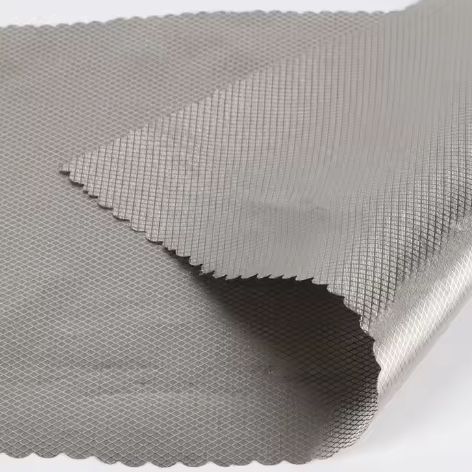
There are different types of conductive fabrics available in the market. For instance, Checked Conductive Cloth offers a distinct visual pattern along with its conductive capabilities. The checked design can add an interesting aesthetic element to textile art projects. Conductive Cloth Tape is another useful product. It is flexible and easy to apply, making it suitable for various applications where a quick and simple connection is needed. Plain Conductive Cloth provides a smooth and uniform surface, which can be ideal for projects that require a more minimalist look.
Advantages of Using Conductive Fabric in Textile Art
1. Integration of Technology and Art
One of the most significant advantages of using conductive fabric in textile art is the ability to combine traditional art forms with modern technology. Artists can create interactive textile pieces that respond to touch, light, or other environmental factors. For example, an artist could design a textile wall hanging that lights up when someone touches it. This fusion of art and technology not only creates a unique and engaging experience for the viewer but also pushes the boundaries of what is considered traditional textile art.
2. Versatility in Design
Conductive fabric offers great versatility in design. It can be cut, sewn, and manipulated just like regular fabric, allowing artists to incorporate it into a wide range of textile art forms, including quilting, embroidery, and wearable art. Artists can use conductive thread made from conductive fabric to add electrical elements to their embroidery designs, creating patterns that can be illuminated or have other interactive features.
3. Educational Value
The use of conductive fabric in textile art also has educational value. It can be used in art and technology classes to teach students about electricity, circuitry, and design. Students can learn how to create simple circuits using conductive fabric and explore the principles of electronics in a hands - on and creative way. This interdisciplinary approach to learning can inspire the next generation of artists and technologists.
Challenges and Considerations
1. Technical Knowledge
Working with conductive fabric requires some technical knowledge of electronics. Artists need to understand basic concepts such as voltage, current, and resistance to create functional and safe electrical circuits. They also need to know how to select the appropriate power source and components for their projects. However, there are many resources available online and in libraries that can help artists learn these concepts.
2. Durability
The durability of conductive fabric can be a concern, especially in projects that involve frequent handling or washing. The conductive coating or embedding may wear off over time, reducing the fabric's conductivity. Artists need to choose high - quality conductive fabric and take appropriate measures to protect the electrical components in their projects to ensure long - term functionality.
3. Cost
Conductive fabric can be more expensive than traditional textiles. The cost of the conductive materials and the manufacturing process contribute to the higher price. However, as the demand for conductive fabric increases and technology advances, the cost is likely to become more affordable in the future.
Examples of Conductive Fabric in Textile Art
1. Wearable Technology
Conductive fabric has been widely used in the field of wearable technology, which can also be considered a form of textile art. Designers have created dresses that light up, change color, or even display messages using conductive fabric. These wearable pieces not only showcase the artist's creativity but also demonstrate the practical applications of conductive fabric in everyday life.

2. Interactive Installations
Artists have also used conductive fabric to create large - scale interactive installations. For example, an installation might consist of a textile wall covered with conductive fabric sensors. When viewers touch different parts of the wall, it triggers a response such as playing music or displaying visual effects. These installations create an immersive and engaging experience for the audience.
How to Get Started with Conductive Fabric in Textile Art
If you're an artist interested in using conductive fabric in your textile art projects, here are some steps to get started:
- Learn the Basics: Start by learning about basic electronics concepts and how to work with conductive fabric. There are many online tutorials, books, and workshops available that can teach you the fundamentals.
- Source High - Quality Materials: As a conductive fabric supplier, I can attest to the importance of using high - quality materials. Look for conductive fabric that has good conductivity and durability. You can also purchase other components such as conductive thread, LEDs, and batteries from electronics suppliers.
- Start Small: Begin with simple projects to get a feel for working with conductive fabric. You can create a small interactive patch or a simple circuit using conductive fabric and a few basic components. As you gain more experience, you can tackle more complex projects.
Conclusion
In conclusion, conductive fabric has great potential in textile art. It offers a unique combination of art and technology, allowing artists to create innovative and interactive pieces. While there are some challenges and considerations to keep in mind, the benefits far outweigh the drawbacks. As a conductive fabric supplier, I'm excited to see the creative ways in which artists are using our products and look forward to the continued growth of this exciting field.
If you're interested in exploring the possibilities of conductive fabric in your textile art projects, I invite you to contact me for more information and to discuss your specific needs. Whether you're a professional artist, a hobbyist, or an educator, I'm here to help you find the right conductive fabric and components for your projects. Let's work together to bring your creative ideas to life!
References
- "Textile Art and Technology: A New Frontier" by Jane Smith, Art and Technology Journal, 2020.
- "Conductive Fabrics: Properties and Applications" by John Doe, Textile Research Magazine, 2019.
- Online tutorials from electronics and art websites.