


Hey there! As a supplier of metal composite materials, I often get asked this question: Can metal composite materials be welded? Well, let's dig into this topic and find out.
First off, let's understand what metal composite materials are. These are materials made by combining two or more different metals to get the best properties of each. For example, you might have a material that combines the strength of steel with the corrosion - resistance of aluminum. This combination can create a material that's super useful in a bunch of industries, like aerospace, automotive, and construction.
Now, back to the big question: welding. Welding is a process of joining two pieces of metal together by melting them at the joint. It's a common method in metalworking, but when it comes to metal composite materials, things get a bit tricky.
Challenges in Welding Metal Composite Materials
One of the main challenges is the difference in melting points. Different metals in a composite have different temperatures at which they melt. Take a composite of copper and steel, for instance. Copper has a relatively low melting point compared to steel. When you try to weld them, if you heat it to the melting point of copper, the steel might not melt enough to form a proper joint. And if you heat it to the melting point of steel, the copper could over - heat and vaporize, causing all sorts of problems like porosity in the weld.
Another issue is the formation of intermetallic compounds. When different metals are melted together during welding, they can react to form intermetallic compounds. These compounds can be brittle and have poor mechanical properties. They can weaken the weld and make the joint more likely to fail under stress.
Welding Methods for Metal Composite Materials
But don't worry, there are ways to weld metal composite materials. One popular method is friction stir welding. This is a solid - state welding process, which means the metals don't have to be melted completely. Instead, a rotating tool is used to generate friction and heat, softening the metals and allowing them to be joined. It's great because it can avoid some of the problems associated with melting, like the formation of intermetallic compounds.

Another option is laser welding. Lasers can deliver a very concentrated and precise amount of energy. This allows you to control the heat input more accurately, which is crucial when dealing with materials with different melting points. You can focus the laser on the specific areas you want to weld, minimizing the damage to the surrounding material.
Examples of Weldable Metal Composite Materials
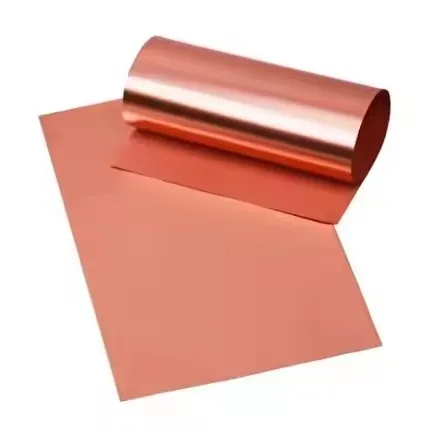
Let's talk about some specific metal composite materials that can be welded. One that comes to mind is the Copper Foil Plated With Nickel. This composite combines the excellent electrical conductivity of copper with the corrosion - resistance and hardness of nickel.
Welding this material can be done using the methods I mentioned earlier. For example, friction stir welding can be used to join two pieces of copper foil plated with nickel without melting the metals completely. This helps to maintain the integrity of the composite and the properties of both copper and nickel. Laser welding can also be effective, especially for thin foils, as it can provide a fast and precise weld.
Applications of Welded Metal Composite Materials
The ability to weld metal composite materials opens up a whole world of applications. In the aerospace industry, welded metal composites can be used to make lightweight yet strong components for aircraft. For example, a composite of titanium and aluminum can be welded to create parts that are both strong enough to withstand the stresses of flight and light enough to improve fuel efficiency.
In the automotive industry, welded metal composites can be used to make car bodies. A composite of high - strength steel and aluminum can be welded together to create a car body that's both safe and fuel - efficient. The steel provides the strength needed for crash protection, while the aluminum reduces the weight of the vehicle.
Factors to Consider Before Welding
If you're thinking about welding metal composite materials, there are a few things you need to consider. First, you need to determine the type of metal composite you're working with. Different composites will require different welding methods and parameters. You also need to consider the thickness of the material. Thicker materials might require more heat input and different welding techniques compared to thinner ones.
The surface condition of the material is also important. Any dirt, oil, or oxide layers on the surface can affect the quality of the weld. So, it's crucial to clean the surface thoroughly before welding.
Quality Control in Welding Metal Composite Materials
Quality control is super important when welding metal composite materials. You need to make sure that the weld is strong, free of defects, and has the desired properties. Non - destructive testing methods, like ultrasonic testing and X - ray testing, can be used to detect any internal defects in the weld.
Visual inspection is also essential. You can look for things like cracks, porosity, and uneven weld beads. If you find any issues, you might need to adjust your welding parameters or try a different welding method.
Conclusion
So, can metal composite materials be welded? The answer is yes, but it's not always straightforward. There are challenges involved, like differences in melting points and the formation of intermetallic compounds. However, with the right welding methods, such as friction stir welding and laser welding, and proper quality control, you can achieve strong and reliable welds.
If you're in the market for metal composite materials, whether it's the Copper Foil Plated With Nickel or other composites, and you have questions about welding or just want to discuss your project, I'd love to hear from you. We can talk about the best materials and welding solutions for your specific needs. Don't hesitate to reach out for a procurement discussion.
References
- "Welding of Metal Matrix Composites" - Journal of Materials Science
- "Advanced Welding Technologies for Composite Metals" - International Welding Institute