


Hey there! I'm a supplier of silver fiber, and I've been getting a lot of questions lately about how silver fiber maintains its shape. So, I thought I'd take a few minutes to share some insights on this topic.
First off, let's talk about what silver fiber is. Silver fiber is a type of conductive fiber that is made by coating or depositing silver onto a base fiber, such as polyester or nylon. This process gives the fiber unique properties, including excellent conductivity, antibacterial and anti - odor capabilities, and good durability.
The Structure of Silver Fiber
One of the key reasons silver fiber maintains its shape is its unique structure. The base fiber provides a strong and stable framework. Polyester, for example, is known for its high tensile strength and resistance to stretching and shrinking. When silver is coated onto this base fiber, it adheres firmly to the surface. The silver layer forms a sort of protective shield around the base fiber, which helps to maintain the overall shape of the fiber.
The bonding between the silver and the base fiber is crucial. Through advanced manufacturing techniques, the silver particles are tightly bound to the base fiber. This strong bond ensures that the silver doesn't easily flake off or separate from the base fiber, even when the fiber is subjected to mechanical stress, such as bending, twisting, or stretching.
Manufacturing Process
The manufacturing process also plays a significant role in helping silver fiber maintain its shape. During production, the base fiber is carefully prepared to ensure proper adhesion of the silver. This may involve surface treatments to increase the surface area and reactivity of the base fiber, allowing the silver to bond more effectively.
After the silver coating process, the fibers often go through a heat - setting treatment. Heat - setting helps to lock in the shape of the fiber and improve its dimensional stability. It essentially "sets" the structure of the fiber, making it more resistant to deformation. For instance, if the silver fiber is being used to make a fabric, heat - setting can prevent the fabric from stretching out of shape during normal use or washing.
Applications and Shape Maintenance
Silver fiber has a wide range of applications, and its ability to maintain shape is essential in each of them.
Silver Fiber Socks
Take Silver Fiber Socks for example. Socks made from silver fiber need to fit well and maintain their shape throughout the day. The silver fiber's shape - maintaining properties ensure that the socks don't sag or lose their elasticity. When you put on a pair of silver fiber socks, they stay in place, providing continuous support and comfort. The antibacterial properties of the silver also keep your feet fresh, while the shape - maintaining ability ensures a long - lasting fit.
Silver Fiber Fabrics
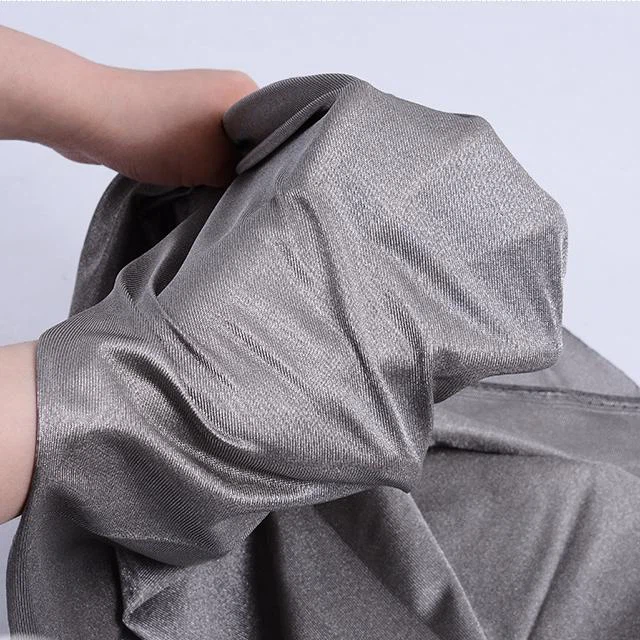
Silver Fiber Fabrics are used in various industries, including sportswear, medical textiles, and military applications. In sportswear, the fabric needs to move with the body without losing its shape. Silver fiber fabrics can stretch and recover, thanks to the shape - maintaining properties of the silver fiber. This means that the sportswear will continue to fit properly, even during intense physical activities.
In medical textiles, silver fiber fabrics are used for wound dressings and compression garments. The ability to maintain shape is crucial in these applications. For wound dressings, the fabric needs to stay in place over the wound to provide effective treatment. Compression garments made from silver fiber need to maintain a consistent level of compression, which is only possible if the fabric retains its shape.
Silver Fiber Mosquito Net Fabric
Silver Fiber Mosquito Net Fabric is another great example. A mosquito net needs to have a stable shape to effectively protect against mosquitoes. The silver fiber in the net fabric helps it maintain its structure, so it doesn't collapse or deform easily. This ensures that the net provides a reliable barrier between you and the mosquitoes.
Environmental Factors
Silver fiber is also relatively resistant to environmental factors that could cause shape changes. It has good resistance to moisture, which means it won't easily expand or contract due to humidity. This is important, especially in applications where the fiber may be exposed to varying levels of moisture, such as in outdoor clothing or in a humid medical environment.
Temperature changes also have a limited impact on the shape of silver fiber. The combination of the base fiber and the silver coating allows the fiber to withstand normal temperature variations without significant deformation. Whether it's a hot summer day or a cold winter night, the silver fiber will maintain its shape and performance.

Care and Maintenance
To ensure that products made from silver fiber continue to maintain their shape, proper care is important. Generally, silver fiber products can be washed like regular textiles. However, it's advisable to follow the care instructions provided. Avoid using harsh chemicals or abrasive detergents, as these can damage the silver coating and potentially affect the shape - maintaining properties of the fiber.
Using a gentle detergent and a mild washing cycle is usually sufficient. When drying, it's best to avoid high - heat settings, as excessive heat can sometimes cause the fiber to shrink or lose its shape. Air - drying is often the best option for silver fiber products.
Conclusion
In conclusion, silver fiber maintains its shape due to a combination of its unique structure, advanced manufacturing processes, and resistance to environmental factors. Its ability to hold its shape makes it an ideal choice for a wide range of applications, from socks to mosquito net fabrics.
If you're interested in purchasing silver fiber products or have any questions about our silver fiber offerings, I'd love to hear from you. Whether you're a retailer looking to stock our products or a manufacturer in need of high - quality silver fiber materials, we're here to help. Reach out to us to start a conversation about your specific needs and how our silver fiber can meet them.
References
- "Conductive Fibers and Their Applications" by some textile experts.
- Research papers on the manufacturing and properties of silver - coated fibers from industry - related journals.