


Hey there! As a supplier of Copper Foil Plated With Nickel, I've been getting a lot of questions lately about how to improve the adhesion strength of nickel plating on copper foil. It's a crucial issue, especially in industries where the performance of this plated copper foil matters a great deal, like electronics and battery manufacturing. So, I thought I'd share some tips and insights based on my experience in this field.
Understanding the Basics
First off, let's talk about why adhesion strength is so important. When nickel is plated onto copper foil, a strong bond between the two materials ensures better electrical conductivity, corrosion resistance, and mechanical stability. If the adhesion is weak, the nickel layer might peel off over time, which can lead to all sorts of problems, from reduced product lifespan to potential safety hazards.
The adhesion between nickel and copper foil depends on several factors, including the surface condition of the copper foil, the plating process parameters, and the properties of the plating solution. Let's break these down one by one.
Surface Preparation of Copper Foil
The surface of the copper foil plays a huge role in determining the adhesion strength of the nickel plating. A clean and properly prepared surface provides a better foundation for the nickel layer to bond to. Here are some steps you can take:
Cleaning
The copper foil should be thoroughly cleaned to remove any dirt, grease, or oxide layers on its surface. You can use a mild alkaline cleaner to soak the foil for a few minutes, followed by a rinse with deionized water. This helps to remove organic contaminants and some of the surface oxides.
After the alkaline cleaning, an acid pickling step can be used to further remove the remaining oxides. A dilute sulfuric acid solution is commonly used for this purpose. Just make sure to handle the acid carefully and follow all safety precautions.
Micro - roughening
Micro - roughening the surface of the copper foil can significantly improve the adhesion of the nickel plating. This can be done through chemical etching or mechanical abrasion. Chemical etching involves using an etchant solution to create small pits and irregularities on the surface of the foil. Mechanical abrasion, on the other hand, can be achieved using fine - grit sandpaper or a polishing wheel.
The key is to create a surface with enough roughness to provide more surface area for the nickel to adhere to, but not so rough that it causes other problems, like uneven plating.
Plating Process Parameters
The plating process itself also has a major impact on the adhesion strength. Here are some important parameters to consider:
Current Density
The current density during the nickel plating process affects the quality and adhesion of the nickel layer. If the current density is too low, the plating rate will be slow, and the nickel layer may be thin and porous. On the other hand, if the current density is too high, the plating may be uneven, and there could be a higher chance of forming a brittle nickel layer that doesn't adhere well.
You need to find the optimal current density for your specific plating setup. This usually involves some trial and error, but a good starting point is to refer to the manufacturer's recommendations for the plating solution you're using.
Plating Temperature
The temperature of the plating solution can also influence the adhesion strength. Generally, a higher temperature can increase the plating rate and improve the quality of the nickel layer. However, if the temperature is too high, it can cause the plating solution to evaporate quickly, and it may also lead to the formation of voids or cracks in the nickel layer.
Most nickel plating solutions work best at temperatures between 50 - 60°C. Make sure to monitor and control the temperature during the plating process to ensure consistent results.
Plating Time
The plating time determines the thickness of the nickel layer. It's important to plate for the right amount of time to achieve the desired thickness while maintaining good adhesion. If you plate for too short a time, the nickel layer may be too thin and may not provide the desired properties. If you plate for too long, the layer may become too thick and may be more prone to cracking or peeling.
Properties of the Plating Solution
The composition and properties of the plating solution are crucial for achieving good adhesion. Here are some key factors:
Nickel Salt Concentration
The concentration of nickel salts in the plating solution affects the plating rate and the quality of the nickel layer. A higher concentration of nickel salts generally leads to a faster plating rate, but it can also cause problems if it's too high, such as the formation of dendrites or rough plating.
You need to maintain the nickel salt concentration within the recommended range for your plating solution. Regularly test the solution and adjust the concentration as needed.
Additives
Plating solutions often contain additives to improve the quality of the plating. These additives can include brighteners, levelers, and stress - relieving agents. Brighteners help to produce a shiny and smooth nickel surface, while levelers ensure a more even distribution of the nickel layer. Stress - relieving agents reduce the internal stress in the nickel layer, which can improve adhesion.
Make sure to use the right type and amount of additives in your plating solution. Too much or too little of an additive can have a negative impact on the adhesion strength.
Post - plating Treatment
After the nickel plating is complete, a post - plating treatment can further enhance the adhesion strength. One common post - plating treatment is heat treatment. Heating the plated copper foil at a specific temperature for a certain period of time can help to relieve the internal stress in the nickel layer and improve the diffusion between the nickel and copper, which strengthens the bond.
Another post - plating treatment is passivation. Passivation involves treating the plated surface with a solution to form a thin, protective oxide layer on the nickel surface. This can improve the corrosion resistance of the plated copper foil and also help to maintain the adhesion over time.
Conclusion
Improving the adhesion strength of nickel plating on copper foil is a multi - step process that involves proper surface preparation, careful control of plating process parameters, and the use of a high - quality plating solution. By following the tips I've shared in this blog, you should be able to achieve better adhesion and produce high - quality Copper Foil Plated With Nickel.

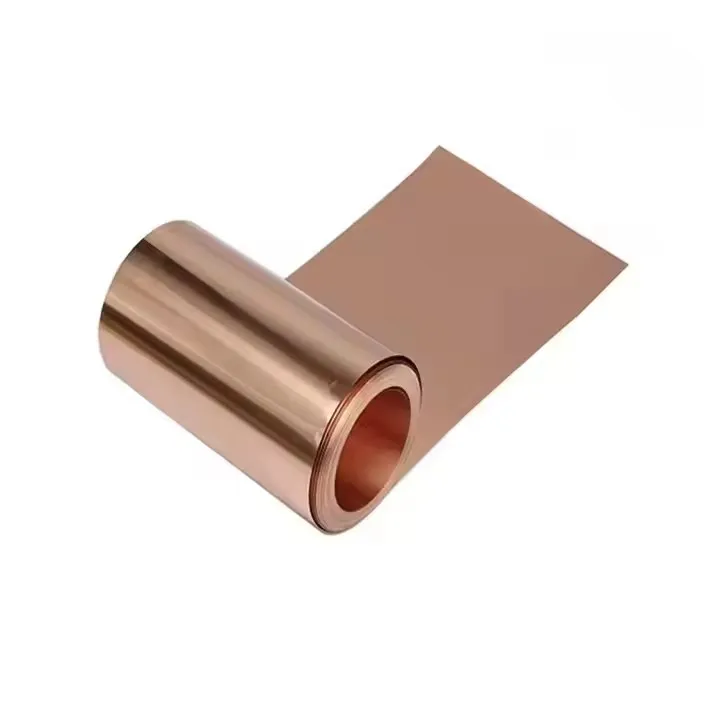
If you're in the market for high - quality copper foil plated with nickel or have any questions about improving adhesion strength, feel free to reach out. We're here to help you find the best solutions for your specific needs. Whether you're a small - scale manufacturer or a large - scale industrial user, we can work with you to ensure you get the most out of our products.
References
- Schlesinger, M., & Paunovic, M. (Eds.). (2010). Modern Electroplating. Wiley.
- Mallory, G. O., & Hajdu, J. B. (Eds.). (1990). Electroless Plating: Fundamentals and Applications. AESF.