


In the dynamic landscape of the automotive industry, the quest for innovation and efficiency has led to the widespread adoption of advanced materials. Among these, metal composite materials have emerged as a game-changer, offering a unique combination of properties that traditional metals often struggle to match. As a leading supplier of metal composite materials, I am excited to delve into the diverse applications of these materials in the automotive sector and explore how they are shaping the future of transportation.

Lightweighting and Fuel Efficiency
One of the primary drivers behind the use of metal composite materials in the automotive industry is the need for lightweighting. By replacing heavy traditional metals with lighter composites, automakers can significantly reduce the weight of vehicles, leading to improved fuel efficiency and reduced emissions. Metal composites, such as aluminum - carbon fiber composites, offer high strength - to - weight ratios, allowing for the design of structural components that are both strong and lightweight.
For example, the use of metal composite materials in the body panels of cars can reduce the overall vehicle weight by up to 30%. This weight reduction directly translates into better fuel economy, as the engine has to work less to move the vehicle. In addition, lighter vehicles also have better acceleration and braking performance, enhancing the overall driving experience. Our company's range of metal composite materials, including those with advanced fiber - reinforced structures, are specifically designed to meet the strict lightweighting requirements of the automotive industry.
Structural Integrity and Safety
In addition to lightweighting, metal composite materials also play a crucial role in enhancing the structural integrity and safety of vehicles. These materials can be engineered to absorb and dissipate energy during a collision, reducing the impact forces transferred to the passengers. For instance, composite materials can be used in the construction of crash boxes, which are designed to deform in a controlled manner during a frontal collision, absorbing the energy and protecting the vehicle's occupants.
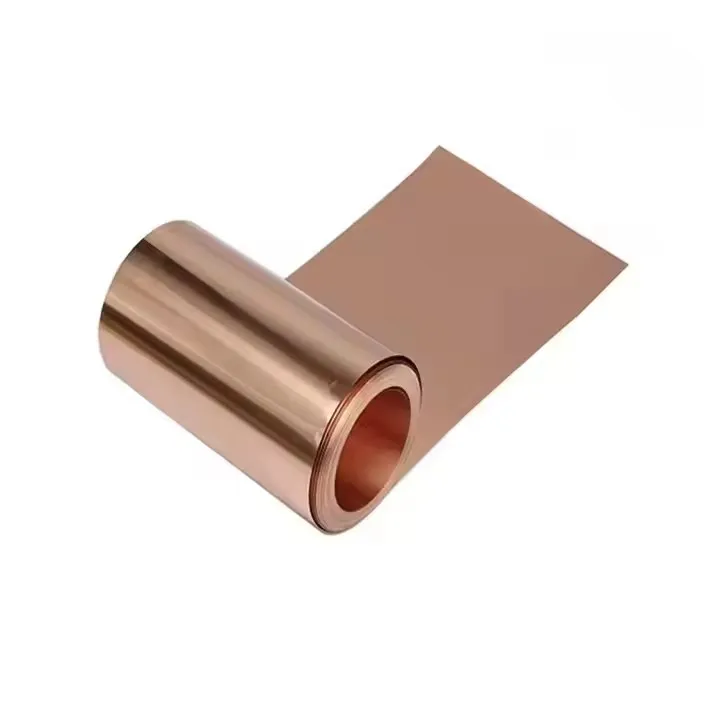
Moreover, metal composites can be used to reinforce critical structural components, such as the chassis and the pillars. The high strength and stiffness of these materials ensure that the vehicle maintains its shape and integrity even under extreme loading conditions. Our Copper Foil Plated With Nickel is an excellent example of a metal composite material that can be used in electrical and structural applications within the automotive industry, providing both conductivity and mechanical strength.
Electrical and Thermal Management
The modern automotive industry is increasingly reliant on advanced electrical and electronic systems. Metal composite materials offer excellent electrical conductivity and thermal management properties, making them ideal for use in these systems. For example, copper - based metal composites can be used in electrical wiring and connectors to reduce resistance and improve the efficiency of the electrical system.
In addition, metal composites can be used in heat sinks and thermal management systems to dissipate heat generated by electronic components, such as power electronics and battery packs. The high thermal conductivity of these materials ensures that the components operate within their optimal temperature range, improving their performance and reliability. Our company offers a variety of metal composite materials that are optimized for electrical and thermal management applications in the automotive industry.
Corrosion Resistance
Automobiles are often exposed to harsh environmental conditions, including moisture, salt, and chemicals, which can cause corrosion of traditional metals. Metal composite materials can be designed to have excellent corrosion resistance, extending the lifespan of the vehicle and reducing maintenance costs. For example, some metal composites incorporate corrosion - resistant coatings or alloys that protect the underlying material from rust and other forms of corrosion.
The use of corrosion - resistant metal composite materials in automotive components, such as exhaust systems, fuel tanks, and underbody parts, can significantly improve the durability of these parts. This not only enhances the vehicle's reliability but also reduces the environmental impact associated with the replacement of corroded components.
Interior and Exterior Design
Metal composite materials also offer unique opportunities for automotive interior and exterior design. These materials can be fabricated into a wide range of shapes and finishes, allowing automakers to create vehicles with distinctive and stylish appearances. For example, composite materials can be used to create decorative trim, grilles, and spoilers, adding a touch of luxury and sophistication to the vehicle.
In the interior, metal composites can be used in the dashboard, door panels, and seat frames. Their lightweight nature and design flexibility make them an ideal choice for creating comfortable and ergonomic interiors. Our company works closely with automotive designers to develop custom - made metal composite materials that meet their specific design requirements.
Future Trends and Opportunities
The future of metal composite materials in the automotive industry looks promising. As the demand for electric vehicles (EVs) continues to grow, the need for advanced materials that can support the unique requirements of these vehicles will also increase. Metal composites can play a vital role in EVs, from lightweighting the battery pack to improving the efficiency of the electrical system.
In addition, the development of autonomous vehicles will require materials that can provide high - performance sensing and communication capabilities. Metal composite materials with integrated sensors and conductive properties are likely to be at the forefront of these developments.
As a metal composite material supplier, we are committed to staying at the cutting edge of technology and innovation. We invest heavily in research and development to continuously improve our products and develop new solutions that meet the evolving needs of the automotive industry.
Conclusion
In conclusion, metal composite materials have revolutionized the automotive industry by offering a wide range of benefits, including lightweighting, improved safety, better electrical and thermal management, corrosion resistance, and enhanced design possibilities. As a supplier, we take pride in providing high - quality metal composite materials that enable automakers to create more efficient, safer, and stylish vehicles.
If you are an automotive manufacturer or a parts supplier looking for innovative metal composite solutions, we invite you to contact us for a detailed discussion. Our team of experts is ready to assist you in finding the right materials for your specific applications. Let's work together to drive the future of the automotive industry forward.
References
- Gibson, R. F. (2012). Principles of Composite Material Mechanics. CRC Press.
- Ashby, M. F., & Jones, D. R. H. (2012). Engineering Materials 1: An Introduction to Properties, Applications and Design. Butterworth - Heinemann.
- Callister, W. D., & Rethwisch, D. G. (2014). Materials Science and Engineering: An Introduction. Wiley.