


In the dynamic landscape of the electronics industry, the demand for high - performance materials is ever - increasing. Metal composite materials have emerged as a game - changer, offering a unique combination of properties that traditional single - metal materials often struggle to provide. As a leading supplier of metal composite materials, I am excited to delve into the diverse applications of these materials in the electronics industry.
1. Printed Circuit Boards (PCBs)
Printed Circuit Boards are the backbone of modern electronic devices, providing electrical connections between various components. Metal composite materials play a crucial role in enhancing the performance and reliability of PCBs.
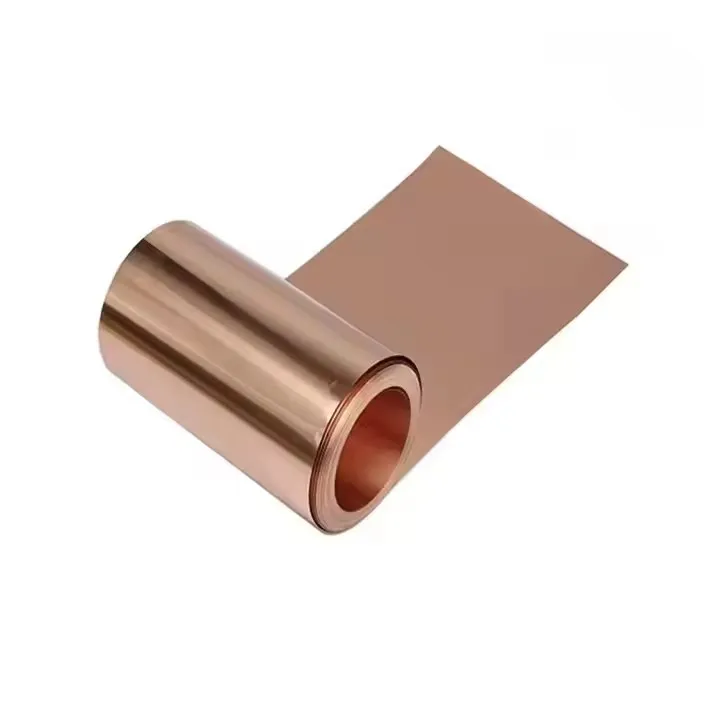
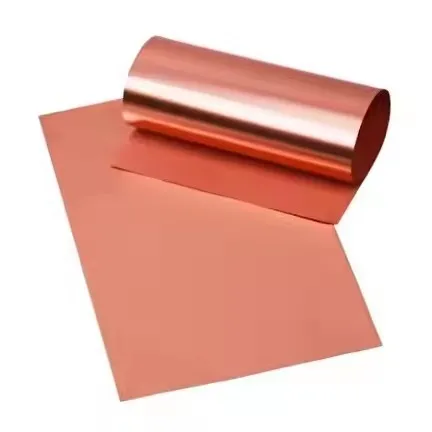
One of the commonly used metal composite materials in PCBs is the Copper Foil Plated With Nickel Copper Foil Plated With Nickel. Copper is an excellent conductor of electricity, which is essential for efficient signal transmission on PCBs. However, copper is prone to oxidation, which can degrade its electrical properties over time. By plating copper foil with nickel, a protective layer is formed on the surface of the copper. Nickel has good corrosion resistance, preventing the copper from oxidizing and ensuring long - term stability of the PCB.
Moreover, the nickel layer also improves the solderability of the copper foil. When soldering components onto the PCB, the nickel - plated copper foil provides a better wetting surface for the solder, resulting in stronger and more reliable solder joints. This is particularly important in high - density PCBs, where the quality of solder joints can significantly affect the overall performance of the electronic device.
2. Heat Dissipation Components
Heat management is a critical issue in the electronics industry, especially as electronic devices become more powerful and compact. Metal composite materials are widely used in heat dissipation components due to their high thermal conductivity and other beneficial properties.
For example, aluminum - copper composite materials are often used in heat sinks. Aluminum is lightweight and has relatively good thermal conductivity, while copper has even higher thermal conductivity. By combining these two metals, the resulting composite material can achieve a balance between weight and thermal performance. The aluminum provides the structural support and lightness, while the copper enhances the heat transfer efficiency.
In addition, some metal composite materials can be designed with a gradient structure, where the composition and properties change gradually along a certain direction. This gradient structure can optimize the heat transfer path, allowing heat to be dissipated more effectively from the heat source to the surrounding environment. For instance, a composite material with a higher copper content near the heat source and a higher aluminum content at the outer layer can take full advantage of the high thermal conductivity of copper at the heat - generating area and the lightweight and good heat - spreading ability of aluminum at the outer area.
3. Electromagnetic Shielding
With the increasing number of electronic devices and the complexity of electromagnetic environments, electromagnetic interference (EMI) has become a significant problem. Metal composite materials are effective solutions for electromagnetic shielding in electronic devices.
Steel - copper composite materials are commonly used for electromagnetic shielding purposes. Steel has high magnetic permeability, which can effectively absorb and redirect magnetic fields. Copper, on the other hand, has good electrical conductivity and can reflect electromagnetic waves. By combining steel and copper, the composite material can provide both magnetic and electrical shielding effects.
In electronic enclosures, metal composite panels made of these materials can be used to prevent external electromagnetic interference from affecting the internal components of the device and also prevent the electromagnetic radiation generated by the device from leaking out. This is crucial for ensuring the normal operation of sensitive electronic components and meeting the electromagnetic compatibility (EMC) requirements of electronic products.
4. Battery Components
The battery is an essential part of many electronic devices, such as smartphones, laptops, and electric vehicles. Metal composite materials are finding increasing applications in battery components to improve battery performance and safety.
In lithium - ion batteries, for example, copper - aluminum composite foils are used as current collectors. The copper layer on one side of the foil is in contact with the anode, and the aluminum layer on the other side is in contact with the cathode. Copper has good electrical conductivity and is suitable for the anode side, while aluminum is lightweight and can be used on the cathode side. The use of composite foils can reduce the weight of the battery while maintaining good electrical performance.
Moreover, some metal composite materials can be used to improve the safety of batteries. For instance, a composite material with a flame - retardant layer and a conductive layer can be used as a separator in the battery. The flame - retardant layer can prevent the spread of fire in case of a battery overheating or short - circuit, while the conductive layer can ensure the normal flow of ions between the anode and the cathode.
5. Connectors and Contacts
Connectors and contacts are used to establish electrical connections between different parts of an electronic device. Metal composite materials can enhance the performance and durability of these components.
A common example is the use of silver - plated copper composite materials in connectors. Silver has the highest electrical conductivity among all metals, and copper is also a good conductor. By plating copper with silver, the surface of the connector can have excellent electrical conductivity, reducing the contact resistance between the connector and the mating part. This results in more efficient power transmission and signal transfer.
In addition, the silver layer can also improve the corrosion resistance of the connector, especially in harsh environments. The copper provides the mechanical strength and structural support, ensuring that the connector can withstand repeated插拔 operations without deformation or damage.
Why Choose Our Metal Composite Materials?
As a professional metal composite material supplier, we have a team of experienced engineers and technicians who are dedicated to developing and producing high - quality metal composite materials. We use advanced manufacturing processes and strict quality control systems to ensure that our products meet the highest standards.
Our metal composite materials are available in a wide range of compositions and specifications, which can be customized according to the specific requirements of our customers. Whether you need a material for a high - performance PCB, a heat dissipation component, an electromagnetic shielding enclosure, a battery component, or a connector, we can provide you with the most suitable solution.
Moreover, we offer competitive prices and excellent after - sales service. We understand the importance of timely delivery and technical support in the electronics industry, and we are committed to meeting the needs of our customers.
If you are interested in our metal composite materials or have any questions about their applications in the electronics industry, please feel free to contact us. We are looking forward to establishing long - term cooperation with you and helping you achieve better performance and competitiveness in the electronics market.
References
- "Handbook of Electronic Materials" - This comprehensive handbook provides in - depth information on various materials used in the electronics industry, including metal composite materials.
- "Advances in Metal Composite Materials Research" - A collection of research papers that cover the latest developments and applications of metal composite materials in different fields, including electronics.
- Industry reports from well - known market research firms, which provide insights into the market trends and demand for metal composite materials in the electronics industry.