


As a supplier of Copper Foil Plated With Nickel, I've had the privilege of witnessing firsthand the unique physical properties that make this material a game - changer in various industries. In this blog, I'll delve deep into the physical characteristics of copper foil plated with nickel, exploring how these properties influence its applications and why it's a top choice for many engineers and manufacturers.
1. Appearance and Surface Characteristics
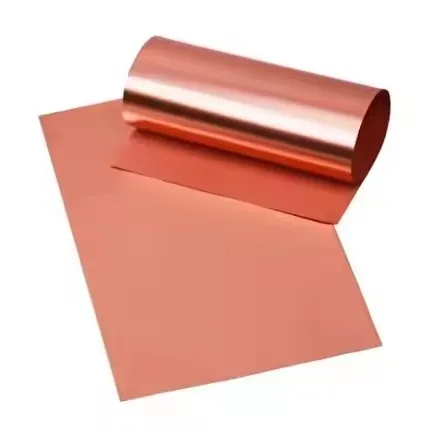
The first thing one notices about copper foil plated with nickel is its distinctive appearance. The surface has a smooth and shiny finish, which is a result of the electro - plating process. The nickel layer provides a uniform coating over the copper foil, giving it a clean and professional look. This smooth surface not only enhances the aesthetic appeal but also has practical implications. For example, in electronic applications, a smooth surface ensures better contact between the copper foil and other components, reducing the risk of electrical resistance and signal interference.
The color of copper foil plated with nickel is typically a light silver - gray. This color is due to the nickel layer, which masks the natural reddish - brown color of copper. The consistent color across the foil surface indicates a well - controlled plating process, ensuring the quality and uniformity of the product.
2. Thickness and Flexibility
The thickness of copper foil plated with nickel can vary depending on the specific requirements of the application. Generally, the copper foil base can range from a few micrometers to several hundred micrometers, and the nickel plating thickness can be adjusted accordingly. Thinner foils are more flexible and can be easily bent, folded, or wrapped around objects without cracking. This flexibility makes them ideal for applications such as flexible printed circuit boards (FPCBs), where the material needs to conform to different shapes and sizes.
On the other hand, thicker foils offer more rigidity and strength. They are suitable for applications where the material needs to maintain its shape under stress, such as in some structural components or heavy - duty electrical connections. Our company offers a wide range of thickness options for Copper Foil Plated With Nickel, allowing customers to choose the most appropriate product for their specific needs.
3. Electrical Conductivity
One of the most important physical properties of copper foil plated with nickel is its excellent electrical conductivity. Copper is well - known for its high electrical conductivity, and even after being plated with nickel, the overall electrical performance remains quite good. The nickel layer, although not as conductive as copper, does not significantly impede the flow of electricity. In fact, in some cases, the nickel plating can enhance the stability of the electrical connection.
The electrical conductivity of copper foil plated with nickel is crucial in electronic applications. For example, in printed circuit boards (PCBs), the foil is used to create electrical pathways for the flow of current. The high conductivity ensures that the electrical signals can travel quickly and efficiently through the circuit, minimizing power loss and signal degradation. This property also makes the material suitable for use in electromagnetic shielding, where it can effectively block electromagnetic interference (EMI) and radio - frequency interference (RFI).

4. Thermal Conductivity
Copper is also an excellent thermal conductor, and this property is retained in copper foil plated with nickel. The high thermal conductivity allows the material to dissipate heat quickly, making it ideal for applications where heat management is important. In electronic devices, such as smartphones, laptops, and power electronics, heat generation is a common issue. Using copper foil plated with nickel in heat sinks or thermal interfaces can help transfer heat away from the sensitive components, preventing overheating and improving the overall reliability and performance of the device.
The nickel plating on the copper foil can also have a positive impact on thermal performance. It can provide a protective layer that prevents oxidation of the copper surface, which could otherwise reduce the thermal conductivity over time. Additionally, the nickel layer can act as a barrier, reducing the diffusion of copper atoms into other materials, which can also affect the thermal properties of the system.
5. Corrosion Resistance
One of the key advantages of plating copper foil with nickel is the improved corrosion resistance. Copper is prone to oxidation and corrosion when exposed to air, moisture, and certain chemicals. The nickel layer acts as a protective barrier, preventing the copper from coming into direct contact with the corrosive environment. This significantly extends the lifespan of the copper foil, especially in harsh conditions.
In marine applications, for example, where the material is exposed to saltwater and high humidity, copper foil plated with nickel can resist corrosion for a long time. Similarly, in industrial environments with acidic or alkaline substances, the nickel - plated copper foil can maintain its integrity and performance. This corrosion resistance also makes the material suitable for outdoor applications, where it needs to withstand the elements over an extended period.
6. Mechanical Strength
The combination of copper and nickel in the foil results in improved mechanical strength compared to pure copper foil. The nickel layer adds hardness and durability to the surface, making the foil more resistant to scratches, abrasions, and wear. This is particularly important in applications where the foil is subject to mechanical stress, such as in connectors or contacts.
The mechanical strength of copper foil plated with nickel also affects its formability. It can be stamped, punched, or machined into various shapes without losing its structural integrity. This allows for the production of complex components with high precision, meeting the diverse needs of different industries.
7. Magnetic Properties
Nickel is a ferromagnetic material, which means it can be magnetized. When copper foil is plated with nickel, the resulting material exhibits some magnetic properties. Although the magnetic effect is relatively weak compared to pure nickel, it can still be useful in certain applications. For example, in magnetic shielding applications, the magnetic properties of the nickel - plated copper foil can help redirect magnetic fields, reducing the interference in sensitive electronic equipment.
Applications Based on Physical Properties
The unique physical properties of copper foil plated with nickel make it suitable for a wide range of applications. In the electronics industry, it is used in PCBs, FPCBs, electromagnetic shielding, and electrical connectors. In the automotive industry, it can be found in sensors, battery connections, and wiring harnesses. In the aerospace industry, its high strength - to - weight ratio and corrosion resistance make it an ideal material for aircraft components.
Why Choose Our Copper Foil Plated With Nickel
As a supplier, we take pride in offering high - quality copper foil plated with nickel. Our products are manufactured using advanced electro - plating techniques, ensuring uniform plating thickness and excellent adhesion between the copper and nickel layers. We have strict quality control measures in place to guarantee that each roll of foil meets the highest standards.
We also offer customized solutions to meet the specific requirements of our customers. Whether you need a specific thickness, size, or surface finish, our team of experts can work with you to develop the perfect product. Our commitment to customer satisfaction and product quality has earned us a good reputation in the market.
Contact Us for Purchase and Negotiation
If you are interested in our Copper Foil Plated With Nickel and want to learn more about its physical properties or place an order, please feel free to contact us. We are ready to have in - depth discussions with you about your needs and provide you with the best possible solutions.
References
- "Handbook of Copper and Copper Alloys" - This comprehensive handbook provides detailed information on the properties and applications of copper and its alloys, including copper foil plated with nickel.
- "Electroplating Engineering Handbook" - It offers in - depth knowledge about the electro - plating process, which is crucial for understanding the production of copper foil plated with nickel.
- Industry research reports on electronic materials, which often include data and analysis on the performance and applications of copper foil plated with nickel in the electronics industry.