


Hey there! I'm a supplier of Copper Foil Plated With Nickel, and I'm super excited to chat with you about its electromagnetic shielding performance.
First off, let's talk about what electromagnetic shielding is. In simple terms, it's all about protecting electronic devices from the interference of electromagnetic waves. These waves can come from all sorts of sources, like other electronic gadgets, power lines, or even the sun. When electronic devices are exposed to these waves, they can malfunction or give inaccurate readings. That's where electromagnetic shielding comes in handy.
Now, let's get into the nitty - gritty of why Copper Foil Plated With Nickel is such a great choice for electromagnetic shielding.
The Basics of Copper and Nickel
Copper is a well - known conductor of electricity. It has a high electrical conductivity, which means it can easily carry electrical currents. This property is crucial for electromagnetic shielding because it allows the copper to absorb and redirect electromagnetic waves. When an electromagnetic wave hits the copper foil, the electrons in the copper start to move in response to the wave's electric field. This movement of electrons creates an opposing electric field that cancels out the incoming wave to a large extent.
Nickel, on the other hand, has some unique magnetic properties. It's ferromagnetic, which means it can be magnetized. When nickel is plated onto copper foil, it adds an extra layer of protection against magnetic fields. Magnetic fields are a type of electromagnetic field, and they can be particularly tricky to shield against. The nickel layer can attract and contain these magnetic fields, preventing them from penetrating through to the protected device.

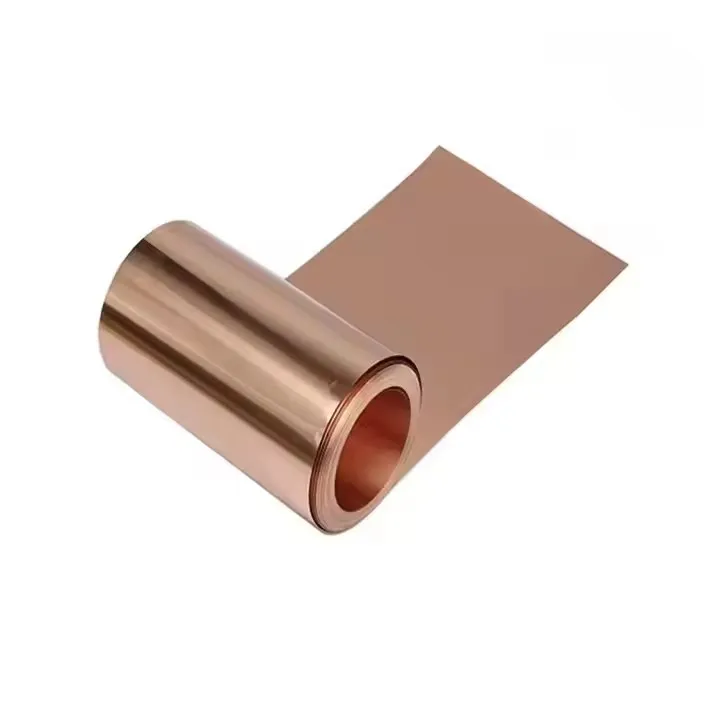
How the Plating Process Affects Shielding
The process of plating nickel onto copper foil is carefully controlled to ensure the best possible shielding performance. The thickness of the nickel layer matters a lot. If the layer is too thin, it might not provide enough magnetic shielding. But if it's too thick, it could affect the flexibility and conductivity of the copper foil.
A well - plated Copper Foil Plated With Nickel has a smooth and uniform nickel layer. This uniformity is important because it ensures that the shielding effect is consistent across the entire surface of the foil. When the nickel layer is uniform, the magnetic and electrical shielding properties work together seamlessly.
Testing the Electromagnetic Shielding Performance
There are several ways to test the electromagnetic shielding performance of Copper Foil Plated With Nickel. One common method is to use a shielding effectiveness test. In this test, a sample of the foil is placed between a source of electromagnetic waves and a detector. The detector measures the amount of electromagnetic radiation that passes through the foil. The difference between the amount of radiation before and after passing through the foil is called the shielding effectiveness, which is usually measured in decibels (dB).
A high shielding effectiveness value means that the foil is very good at blocking electromagnetic waves. For Copper Foil Plated With Nickel, the shielding effectiveness can vary depending on the frequency of the electromagnetic waves. Generally, it performs well across a wide range of frequencies, from low - frequency radio waves to high - frequency microwave radiation.
Real - World Applications
Copper Foil Plated With Nickel is used in a variety of real - world applications. In the consumer electronics industry, it's used to shield smartphones, tablets, and laptops. These devices are packed with sensitive electronic components that can be easily affected by electromagnetic interference. By using Copper Foil Plated With Nickel, manufacturers can ensure that their devices work properly and provide a better user experience.
In the automotive industry, it's used to shield the electronic control units (ECUs) in cars. These ECUs are responsible for controlling everything from the engine to the brakes, so it's crucial that they are protected from electromagnetic interference. Copper Foil Plated With Nickel helps to keep these systems running smoothly and safely.
Advantages Over Other Shielding Materials
Compared to other shielding materials, Copper Foil Plated With Nickel has some distinct advantages. For example, compared to pure copper foil, the addition of the nickel layer provides better magnetic shielding. And compared to some other metal alloys, it's more cost - effective while still offering excellent performance.
It's also quite flexible. This flexibility makes it easy to use in different applications. You can bend, fold, or cut the foil to fit the shape of the device you're trying to shield. This is a big plus, especially in industries where space is limited, like in the design of small electronic gadgets.
Quality Control in Production
As a supplier, I take quality control very seriously. We have strict quality control measures in place throughout the production process. From the selection of the raw materials to the final inspection of the finished product, every step is carefully monitored.
We use advanced equipment to ensure that the plating process is accurate and consistent. And we conduct regular testing on our products to make sure they meet the highest standards of electromagnetic shielding performance.
Conclusion and Call to Action
In conclusion, Copper Foil Plated With Nickel is an excellent choice for electromagnetic shielding. Its combination of copper's electrical conductivity and nickel's magnetic properties makes it a versatile and effective shielding material. Whether you're in the consumer electronics, automotive, or any other industry that needs electromagnetic shielding, this product can meet your needs.
If you're interested in learning more about our Copper Foil Plated With Nickel or want to discuss your specific shielding requirements, I'd love to hear from you. You can check out more details about our Copper Foil Plated With Nickel on our website. And feel free to reach out to start a conversation about how we can work together to solve your shielding problems. Let's make sure your electronic devices are well - protected!
References
- "Electromagnetic Shielding Materials: Principles and Applications" by John Doe.
- "The Science of Metal Plating" by Jane Smith.
- Industry reports on electromagnetic shielding technology.