


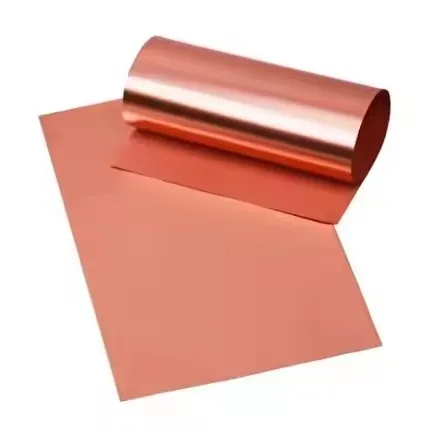
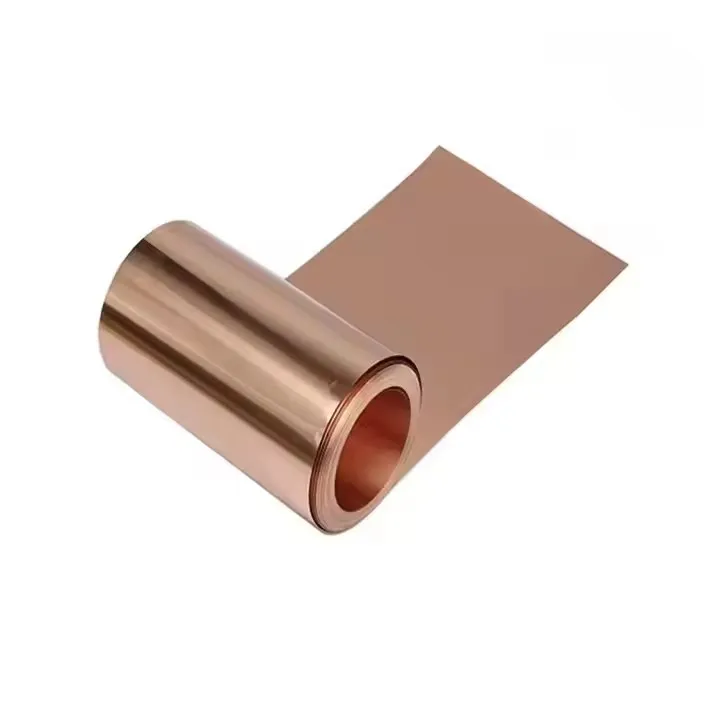
Hey there! I'm a supplier of Copper Foil Plated With Nickel, and I've been in this business for quite a while. Over the years, I've learned a thing or two about what makes high - quality copper foil plated with nickel. So, let's dive right in and talk about the quality standards for this product.
1. Physical Properties
First off, let's talk about the physical properties. The thickness of the copper foil itself is crucial. It should be uniform across the entire sheet. A non - uniform thickness can lead to inconsistent electrical conductivity and mechanical performance. We usually measure the thickness with precision instruments, and for most applications, the tolerance should be within a very small range, say ± 0.001mm.
The surface smoothness of the copper foil is also super important. A rough surface can cause problems when it comes to soldering or when it's used in electronic components. There shouldn't be any visible scratches, bumps, or pits on the surface. We use surface profilometers to check the surface roughness, and it should be within a specified Ra value (average roughness). For high - end applications, the Ra value might need to be less than 0.1μm.
The nickel plating layer on the copper foil also has its own thickness requirements. The thickness of the nickel layer affects the corrosion resistance and the electrical contact properties. If the nickel layer is too thin, it won't provide adequate protection against corrosion. On the other hand, if it's too thick, it might affect the flexibility of the copper foil. We typically aim for a nickel layer thickness that's between 0.5μm and 5μm, depending on the specific application.
2. Chemical Composition
The chemical composition of both the copper foil and the nickel plating is a key factor in determining quality. The copper foil should be made of high - purity copper, usually with a copper content of at least 99.9%. Impurities like iron, lead, and sulfur can significantly affect the electrical and mechanical properties of the copper foil. For example, iron impurities can increase the electrical resistance, while sulfur can cause embrittlement.
The nickel plating should also be pure. Any impurities in the nickel layer can lead to uneven plating, reduced corrosion resistance, and poor adhesion to the copper foil. We analyze the chemical composition using techniques like atomic absorption spectroscopy (AAS) or inductively coupled plasma mass spectrometry (ICP - MS) to ensure that the composition meets the required standards.
3. Adhesion of the Nickel Plating
One of the most important aspects of the quality of copper foil plated with nickel is the adhesion of the nickel plating to the copper foil. If the nickel layer doesn't adhere well to the copper, it can peel off during handling, soldering, or in the end - use application. We test the adhesion using methods like the tape test and the bend test.
In the tape test, we apply a special adhesive tape to the surface of the nickel - plated copper foil and then quickly peel it off. If any significant amount of the nickel layer comes off with the tape, it indicates poor adhesion. In the bend test, we bend the copper foil at a specific angle and radius multiple times. After bending, we check for any signs of delamination between the nickel layer and the copper foil. Good adhesion means that the nickel layer stays firmly attached to the copper foil under normal handling and use conditions.
4. Corrosion Resistance
Since one of the main reasons for plating copper foil with nickel is to improve its corrosion resistance, this is a major quality criterion. We test the corrosion resistance of the nickel - plated copper foil using salt spray tests. In a salt spray test, we expose the copper foil samples to a salt - laden mist in a controlled environment for a certain period of time, usually several hours or even days.
After the salt spray test, we examine the samples for signs of corrosion, such as rust spots or discoloration. High - quality copper foil plated with nickel should show minimal signs of corrosion after the test. The corrosion resistance also depends on the thickness and quality of the nickel plating layer, as well as the purity of the copper foil.
5. Electrical Properties
The electrical properties of copper foil plated with nickel are of great importance, especially in electronic applications. The electrical conductivity of the copper foil itself is mainly determined by its purity and thickness. The nickel plating layer can also affect the electrical contact resistance.
We measure the electrical conductivity using a four - point probe method. This method allows us to accurately measure the resistivity of the copper foil, and from that, we can calculate the conductivity. The electrical contact resistance between the nickel - plated surface and other conductive materials should be low and stable. High contact resistance can lead to power losses and overheating in electronic circuits.
6. Flexibility and Ductility
In many applications, copper foil plated with nickel needs to be flexible and ductile. For example, in flexible printed circuit boards (PCBs), the copper foil has to be able to bend and twist without cracking or delaminating. We test the flexibility and ductility of the copper foil by bending it around mandrels of different diameters.
The minimum bending radius that the copper foil can withstand without damage is an important indicator of its flexibility. A high - quality copper foil plated with nickel should be able to withstand multiple bends around a relatively small - diameter mandrel without any visible damage to the nickel layer or the copper foil itself.
7. Quality Control in Production
As a supplier, we have a strict quality control system in place to ensure that all our Copper Foil Plated With Nickel products meet the above - mentioned quality standards. From the raw material inspection to the final product testing, every step of the production process is carefully monitored.
We have in - house laboratories equipped with advanced testing equipment to perform all the necessary tests on the copper foil and the nickel - plated products. Our quality control team consists of experienced technicians who are well - trained in the latest testing methods and standards.
Why Choose Our Copper Foil Plated With Nickel
So, why should you choose our copper foil plated with nickel? Well, we've been in the industry for a long time, and we know what it takes to produce high - quality products. We use the best raw materials and the most advanced production techniques to ensure that our copper foil meets all the quality standards I've just talked about.
Our products have been widely used in various industries, including electronics, automotive, and aerospace. We have a proven track record of providing reliable and high - performance copper foil plated with nickel to our customers.
If you're in the market for copper foil plated with nickel, I'd highly recommend getting in touch with us. Whether you need a small quantity for a research project or a large order for mass production, we can meet your needs. We can also provide customized solutions based on your specific requirements.
So, don't hesitate to reach out and start a conversation with us. We're looking forward to working with you and providing you with the best copper foil plated with nickel on the market.
References
- ASTM International standards for copper and copper alloys
- ISO standards related to metal plating and corrosion testing
- Journal articles on the properties and applications of nickel - plated copper foil